

If you were born and brought up in Jos, or have lived in the city for a considerable number of years, you must have either been to Tudun Wada, one of the historical and most popular settlements in Plateau State.
It’s either that you have lived in Tudun Wada, know someone who has lived there, or you must have had cause to pass through the community, which residents describe as a mini-Nigeria and the hub and soul of Jos.
Located in Jos North Local Government Area of Plateau State, Tudun Wada is an iconic and ancient community and is often described as one of the oldest and most vibrant settlements in Jos.
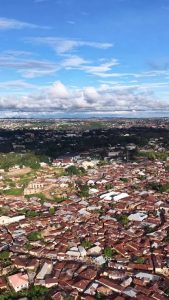
According to historians, the community was originally conceived and established by British colonial administrators in the early 20th century as a segregated residential area for northern migrants and labourers drawn to the region by the booming tin mining industry which was the most vibrant industry in the region.
Tudun Wada, as history goes, was established in 1915 as a key residential zone under the original colonial layout of the Jos Township. As of today, the town is one of the oldest, largest, and most culturally diverse communities in Jos.
With some of the old, British-styled houses in the neighborhood reflecting a unique blend of British colonial administration, mining migration, and traditional African heritage, Tudun Wada stands out even for first-time visitors.

The term “Tudun Wada” comes from the Hausa language. “Tudu” which means hill or high ground, and “Wada” which represents wealth or richness. In most Northern states in Nigeria, there are many towns with the name Tudun Wada which end up becoming a potpourri for indigenes and non-indigenes alike.
When Tudun Wada was conceived by the British administrators in 1915, it officially segmented Jos into two primary divisions with the first known and designated as “Jos Native Town” for indigenous populations and regional settlers while the second was known as “Jos Township”, which comprised Tudun Wada, Zaria Crescent, and the now Government Reservation Area (GRA).
Under colonial cantonment proclamations, Tudun Wada was planned exclusively to house civil servants, labourers, and commercial workers serving British firms however, the discovery of rich cassiterite (tin) and columbite deposits on the Jos Plateau transformed the community.

As a result of the massive tin mining operations, thousands of clerks, technicians, and traders from Western, Eastern, and Northern Nigeria migrated to Jos with many of them settling permanently in Tudun Wada, shaping its multi-ethnic and cosmopolitan identity.
To support the booming trade, the colonial government expanded regional transit including linking the Zaria rail line to Jos in 1913 and connecting Port Harcourt by 1927.
Tudun Wada holds a royal and political significance in Jos and has had prestigious interactions with royalty. For instance, in 1956, Queen Elizabeth II and Prince Philip stayed at the “Tudun Wada Cottage” during their official tour of Nigeria.
The palace of the Gbong Gwom Jos, the paramount traditional ruler of the Berom ethnic group is located in Tudun Wada with the historic cottage area known natively as Jishe. It also serves as the permanent official palace and administrative office of the traditional ruler.
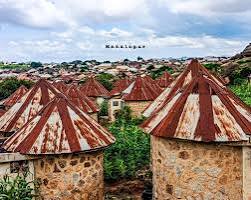
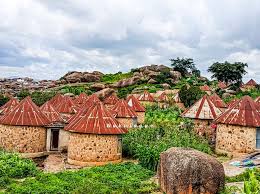
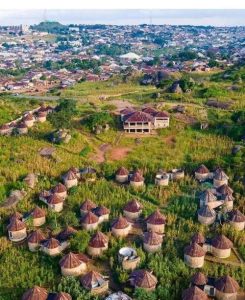
Tudun Wada is also home to the iconic Mado Tourist Village built with traditional-style circular huts created to promote community-based tourism and preserve regional arts.
The community is known for a bustling social nightlife, localized commerce, and grassroots youth development programs, and has produced top celebrities and athletes who either lived or grew up in the area.
Teaser: If you live in or grew up in Tudun Wada, kindly share your fond memories of the community for others to have an idea of what the area looked like then and now.