Plateau State was officially created on February 3, 1976, by the military administration of the late General Murtala Mohammed, which carved it out from the former Benue-Plateau State, thereby bringing together historically distinct people and regions.
The state was created as part of a nationwide state-creation exercise that increased the number of states in Nigeria from 12 to 19.
Plateau State is officially nicknamed the “Home of Peace and Tourism” due to its numerous tourism sites and attractions, which are unmatched in Nigeria, as well as its temperate climate, natural scenic beauty, and diverse, tranquil environment.
Plateau State’s identity and creation would not have been possible without our founding fathers who were visionary, charismatic, transformational, inspirational forward-thinking, and strategic leaders who saw the future and decided to stick out their necks to see the birth of the beautiful state.
They were made up of a mix of visionary military administrators, influential foundational politicians, traditional, religious, and community leaders who laid its administrative bedrock and championed the identity of the Middle Belt, and drove massive infrastructural transformations.
These men, individually and collectively, through governance, enterprise, and service, transformed the highland landscape into the cultural and educational hub it is today.
Discover the legends who made Plateau State possible:
Foundational Military & National Figures
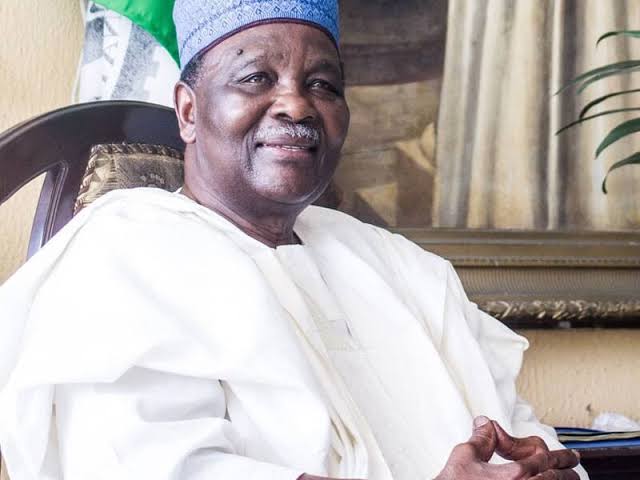
General Yakubu Gowon:
Gen. Yakubu Gowon who was born in the present day Kanke Local Government Area of Plateau State served as Nigeria’s Head of State from 1966–1975 when he was toppled in a palace coup by Gen. Murtala Ramat Mohammed but though he was the head of state, Gowon played a pivotal role in the creation and shaping what is today known as Plateau State.
As Nigeria’s Head of State, Gowon first created the Benue-Plateau State in 1967 from where Plateau itself was carved out by Murtala.
Though he operated at a national level, his origins in Plateau and his creation of the administrative structure provided the original framework for the region’s development and has continued to play key fatherly roles in the affairs of the state till date.
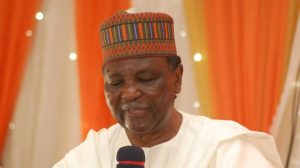
Lt. Col. James Yakubu Pam:
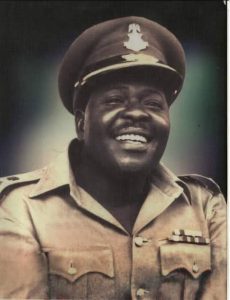
Lt. Col. Yakubu Pam was Nigeria’s first Adjutant-General of the Nigerian Army with a military brilliance and pioneering steps in the early days of the Nigerian military paving the way for subsequent generations of Plateau officers.
Political & Democratic Pioneers
Solomon D. Lar:
Solomon D. Lar who was the first civilian governor of old Plateau State from 1979–1983, was a natural and visionary leader. He championed rural integration, free education, and accessible healthcare that are still being enjoyed by the people.
The Langtang-born political maestro was also deeply-rooted detribalized democrat who never cared about the tribe or religion or his appointees and political associates but dwelled more on competence and the ability to deliver and get the job done.
Lar was a revered statesman and a founding father of the Peoples Democratic Party (PDP).
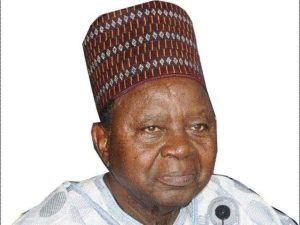
Senator Ibrahim Nasir Mantu:
Senator Ibrahim Nasiru Mantu was a prominent Nigerian politician who served as the Deputy President of the Nigerian Senate from 2003 to 2007.
Born in Chanso village of Gindiri District, in Mangu Local Government, Sen. Mantu was another proud Plateau man who contributed his quota to the development of the state.
After venturing into politics in 1978, Mantu was elected as a Deputy State Chairman of the National Party of Nigeria in Plateau State. He was elected senator representing Plateau Central senatorial district on the platform of the Peoples Democratic Party and served served as Deputy President of the Nigerian Senate from 2003 to 2007. During his tenure, Mantu single-handedly influenced the appointments of several Plateau indigenes into key national positions and also attracted many federal projects to the state.
Infrastructure Transformer
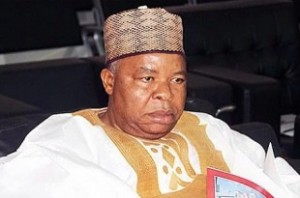
Senator Jonah David Jang:
Sen. Jonah David Jang was a two-term Plateau State governor from 2007–2015, and easily carved his name into history books as one of the great men who changed the trajectory of the state.
Often referred to as the “Infrastructure Governor”, the retired Air Commodore fundamentally altered the landscape of Jos and the state’s 17 Local Government Areas.
Jang’s eight years tenure as governor was marked by massive urban renewal projects especially in Jos, the state capital, including the construction of the state’s first major flyovers at Gada Biyu and the Secretariat Junction.
He is credited with executing an aggressive urban renewal program that delivered the state’s first major flyovers, widespread water reticulation, and numerous dualized road networks.
Institutional & Traditional Custodians
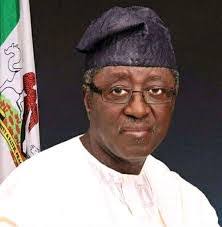
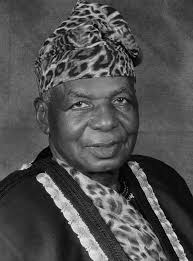
Da Dr. Fom Bot (CFR, CON):
Da Dr. Fom Bot was Installed as the Gbong Gwom Jos in 1970, and his reign perfectly unified the diverse ethnic groups of the Jos as well as the Berom ethnic group. As a first-class chief, Da Dr. Fom Bot was a powerful voice for cultural preservation and stability, serving in various national constituent assemblies.
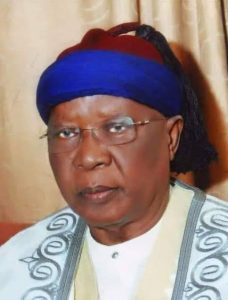
Da Rwang Pam:
Da Rwang Pam was another influential Gbong Gwom Jos, who played a vital role in unifying local ethnic groups during the transition from colonial to independent Nigeria.
Political & Legislative Heavyweights
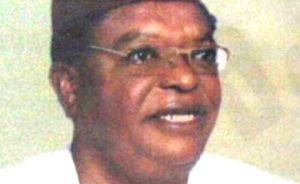
Senator John Wash Pam:
Sen. Wash Pam served as the Deputy President of the Nigerian Senate during the Second Republic and used his influence as a political heavyweight to attract a lot of federal projects to Plateau State. He was an influential political gladiator who helped shape the early legislative architecture of Nigeria’s democracy.
Industrial Transformer
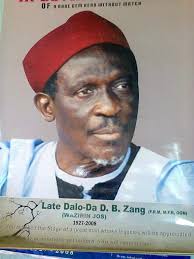
Da D.B. Zang:
Da D.B. Zang was a pioneer indigenous mining entrepreneur who single-handedly broke the monopoly of the British colonialists on the tin mining industry in Plateau.
Da D.B. Zang was a well revered industrialist and one of the state’s most prominent economic elder statesmen.
Modern Leadership
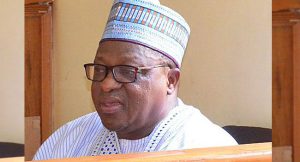
Joshua Dariye:
Chief Joshua Dariye was Plateau State governor from 1999 to 2007, marking the return of democracy in the Fourth Republic and establishing foundational local governance structures.
He was to later become the senator representing the Plateau Central senatorial district from 2011 to 2019.
Simon Bako Lalong:
Senator Simon Lalong was a two-term governor of Plateau State from 2015 to 2023, and during his regime, focused heavily on restoring peace, managing the civil service welfare, and promoting inter-ethnic harmony across the state’s 50+ tribal groups.
Lalong’s administration also focused on completing abandoned projects from previous governments and was noted for efforts to restore peace following periods of ethno-religious tension.
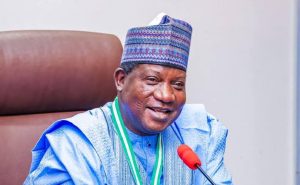
Caleb Mutfwang:
Barr. Caleb Manasseh Mutfwang is the current governor (since 2023), and has been credited with carrying out a lot of urban rejuvenation, rural road transformation, tackling insecurity and boosting tourism through the revitalization of landmarks like the Hill Station Hotel.
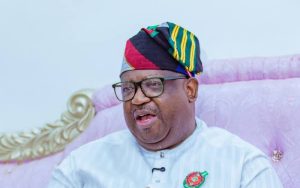
Mutfwang’s tenure is effectively leading the state’s contemporary governance with the administration focusing on restoring the state’s security, rebuilding local infrastructure, and pushing economic revitalization to bring Plateau back to its former economic glory.